
For years, outdoor space in UK hospitality was treated as a seasonal bonus. A terrace might open during summer, heaters would appear when temperatures dropped, and once winter arrived, much of that square footage sat unused.
That model is quickly becoming outdated. Industry insights from UKHospitality highlight how operators are increasingly investing in engineered outdoor solutions to maintain service standards throughout the year, reflecting a wider shift towards adaptable, weather-resilient environments.
Across restaurants, hotels, rooftop venues and mixed-use developments, operators are rethinking how outdoor systems contribute to long-term performance. Instead of being an add-on, outdoor space is now being planned as part of the commercial infrastructure – designed to extend trading periods, increase capacity and create more adaptable guest environments.
For many hospitality businesses, the conversation has shifted from aesthetics to strategy.
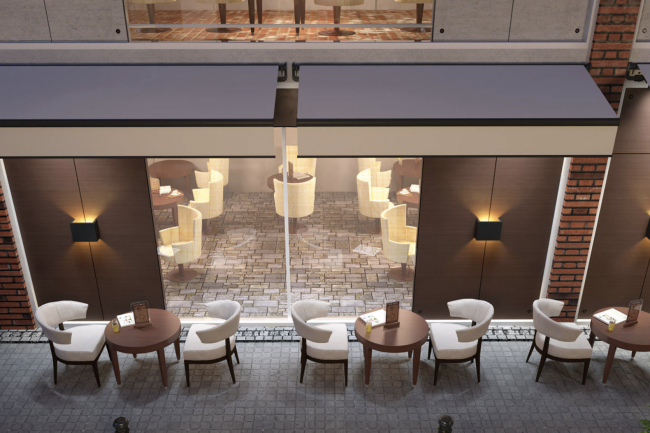
Why Outdoor Space Is Now a Commercial Priority
Hospitality operators are under increasing pressure to maximise every square metre. Rising operational costs, evolving guest expectations and unpredictable UK weather mean venues need spaces that work harder and perform consistently.
Well-designed outdoor environments can support:
Extended trading windows beyond peak summer months
Additional seating capacity without structural expansion
Flexible event space for private bookings and seasonal activations
Improved customer dwell time, contributing to higher revenue per guest
Rather than viewing terraces as optional extras, many operators now see them as a practical way to increase revenue without increasing footprint.
Designing for Performance, Not Just Appearance
A major shift within the UK hospitality sector is the move away from temporary solutions toward engineered outdoor structures designed for longevity.
While umbrellas and heaters may offer short-term comfort, they rarely provide the consistency venues need. Instead, architects and operators are prioritising systems that deliver long-term usability in changing conditions.
Common design considerations now include:
Adjustable louvred roofing for light control and ventilation
Integrated drainage systems to manage heavy rainfall
Wind-resistant aluminium structures
Lighting and heating integration for evening service
The goal is not simply to cover outdoor areas – but to create spaces that function reliably across seasons.
Outdoor Environments as Infrastructure
One of the most significant changes happening within hospitality design is when outdoor space is considered.
Previously, terraces were often introduced late in the project lifecycle. Today, developers and architects are integrating outdoor environments from the earliest planning stages. This allows for better structural integration, improved customer flow, and more cohesive design outcomes.
For operators, this shift turns outdoor areas into strategic assets rather than reactive additions. In many cases, outdoor space has become a defining factor in how modern hospitality venues differentiate themselves.
What Forward-Thinking Operators Are Doing Differently
Across the UK, leading hospitality businesses are taking a more structured approach to outdoor design:
Hotels are developing flexible terraces with remote-controlled awnings and pergolas that transition from daytime dining to evening social spaces.
Restaurants are investing in bioclimatic pergolas that maintain comfortable service during cooler months.
Urban venues are transforming rooftops into weather-adaptable environments capable of hosting events year-round.
These spaces are not simply designed to look good, they’re engineered to support long-term commercial performance.
Key Considerations for Hospitality Businesses Planning Outdoor Projects
For operators and developers evaluating outdoor solutions, several factors are becoming increasingly important:
Longevity and Maintenance
High-quality aluminium systems offer durability and reduced long-term maintenance compared to temporary structures.
Flexibility and Adaptability
Spaces that adjust to changing weather conditions allow operators to maintain consistent service without constant manual intervention.
Integration with Existing Architecture
Outdoor environments should feel like a natural extension of the building, enhancing both functionality and visual identity.
Return on Investment
While initial investment may be higher, performance-led outdoor environments often deliver long-term value through increased utilisation and reduced downtime.
The Future of Outdoor Hospitality in the UK
As expectations continue to evolve, outdoor space is becoming less about seasonal dining and more about operational resilience.
Hospitality businesses that treat outdoor environments as part of their infrastructure, rather than an afterthought, are better positioned to adapt to changing guest behaviour, shifting weather patterns and competitive market pressures.
Looking ahead, the venues that stand out will be those that design outdoor spaces with intention, performance and longevity in mind.
Because in today’s hospitality landscape, outdoor space is a strategic tool for sustainable, year-round growth.
At Rising Global UK, we work closely with hospitality businesses and trade partners to design outdoor environments that balance architectural quality with real-world performance. By focusing on longevity, usability and thoughtful integration, outdoor space can move beyond seasonal appeal and become a lasting commercial asset.